

A freshly made HOCl solution is one of the most practical tools in a safer sanitation program. It can support cleaning, deodorizing, and pathogen-control routines without filling a supply closet with harsh chemical products. But HOCl solution storage determines whether that freshly generated batch remains dependable when your team, family, or customers need it.
HOCl is designed to work hard, but it is not meant to be forgotten in a sunny window, a hot vehicle, or an unmarked spray bottle for months. The right storage habits protect solution quality, reduce waste, and help on-site generation deliver the cost and supply-chain advantages it was built for.
Why HOCl Solution Storage Changes Performance
Hypochlorous acid is a highly active molecule. That activity is why properly made HOCl can be so useful for everyday sanitation and odor control. It is also why environmental conditions matter. Over time, light, heat, air exposure, contamination, and unsuitable packaging can reduce the available HOCl in a solution.
This does not mean every batch needs laboratory-level handling. It means storage should be part of the operating routine, just like filling applicators, checking equipment, or labeling chemical products. For a homeowner, that may take less than a minute. For a facility manager, it can be a simple standard operating procedure that protects consistency across shifts and locations.
The practical goal is straightforward: make the amount you expect to use, store it in compatible closed containers, keep it cool and out of direct light, and rotate inventory before older batches are used.
Start With a Clean, Compatible Container
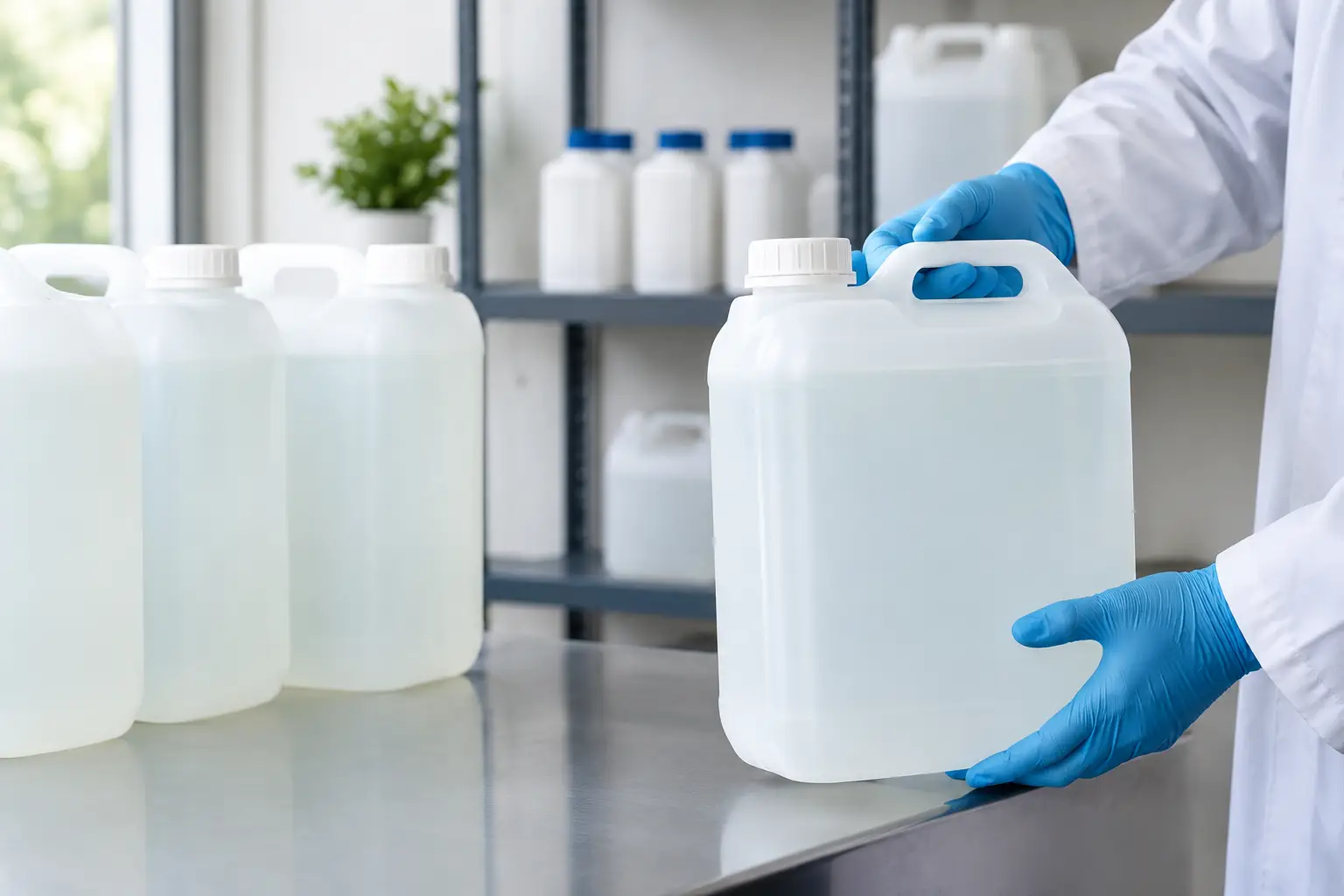
The container is the first decision in HOCl solution storage. Use clean, dedicated bottles, jugs, tanks, and applicators that are intended for water-based sanitation solutions. Opaque or light-blocking containers are generally the better choice because they limit light exposure. High-density polyethylene containers are commonly used for this kind of application.
Avoid reusing containers that previously held incompatible cleaners, fragrances, degreasers, acids, or other chemicals. Residue can contaminate the HOCl solution and change its performance. A bottle may look clean and still carry enough residue to create an avoidable problem.
For spray applications, a good trigger sprayer matters too. An applicator should produce the coverage your task requires while closing securely between uses. If a sprayer drips, leaks, or sits open, replace it rather than treating the container as a permanent fixture.
Metal components deserve extra attention. Some metals can react with HOCl over time, particularly in long-term storage or where solution remains trapped in valves, fittings, or unlined tanks. Use materials recommended for your equipment and application. If you operate a commercial system, follow the generator and dispensing equipment guidance rather than guessing based on what worked with another cleaning product.
Clean before filling, not after performance drops
A simple bottle-cleaning routine prevents many storage issues. Empty the container fully, rinse it as appropriate for the container and prior use, allow it to drain, and fill it with fresh solution. If a bottle has an unknown history, strong odor, visible buildup, damaged threads, or a failing sprayer, take it out of service.
This matters especially in food service, healthcare-adjacent settings, schools, hospitality, agricultural operations, and shared facilities. The container is part of the sanitation process, not an afterthought.
Keep Batches Away From Heat and Direct Light
Heat and direct sunlight are two of the fastest ways to shorten the useful life of an active solution. Store HOCl in a cool indoor location, protected from windows, heaters, hot machinery, and vehicles. A dark utility room, supply cabinet, or designated storage area is usually a better choice than a shelf near a loading bay or a glass storefront.
Temperature control does not need to become complicated. The key is avoiding repeated high-heat exposure. A bottle stored at normal, stable indoor temperatures will generally fare better than one moved from an air-conditioned office to a hot trunk every day.
Direct light matters even when the room feels cool. Clear containers make it easy to see liquid level, but they also expose the solution to more light. Where monitoring volume is necessary, consider a labeled opaque container with a practical fill indicator or an organized dispensing schedule instead of relying on clear bottles sitting in open work areas.
Keep lids and caps tightly closed when the solution is not being dispensed. This reduces unnecessary exposure to air and prevents dirt, dust, and accidental mixing from entering the container. Do not leave open buckets or partially capped bottles on carts between tasks.
Make Only What You Can Use on a Sensible Schedule
On-site generation gives organizations a major advantage: they are not forced to overbuy and warehouse large volumes of conventional chemicals. Water, salt, and a small amount of organic vinegar can be turned into pH-neutral HOCl solution when needed, helping teams produce what fits their actual workload.
That advantage works best when production matches consumption. A small office may make a manageable batch for routine surface cleaning and deodorizing. A hotel, school, restaurant, greenhouse, or service operator may establish a daily or shift-based filling schedule for applicators and refill stations. Larger operations using systems such as NinjaGen 360, 144, or 1440 can build production around zones, departments, or service routes.
There is no single batch size that fits every operation. The right amount depends on how often you apply solution, how many rooms or sites you cover, the number of applicators in circulation, and the storage conditions available. The point is to avoid treating fresh HOCl like a product that should sit indefinitely simply because there is room to store it.
Fresh production supports predictable results and keeps your program efficient. It also reduces the chance that a bottle gets lost in a closet, separated from its label, and returned to service long after anyone knows when it was filled.
Label Every Container for Real-World Use
A good label turns storage from a memory test into a repeatable system. At minimum, identify the contents, the date generated or filled, the intended application, and the responsible department or person when appropriate. Commercial teams may also include the solution concentration, such as 200, 500, or 1,000 ppm, based on their approved operating procedures.
Clear labeling supports safe handling and better inventory rotation. It lets the overnight team know which bottles are fresh. It helps a service business demonstrate organized processes at a customer site. It gives a facility manager an immediate answer when someone asks what is in a secondary container.
Use a first-in, first-out approach. Place newly filled containers behind or below those already in service so older labeled batches are used first. This is a small habit with a large payoff when several departments share a storage area.
Avoid Mixing, Topping Off, and Uncontrolled Refills
Never mix HOCl solution with other cleaners or additives unless the product and equipment instructions specifically direct you to do so. Combining products can create unwanted reactions, weaken performance, or introduce unnecessary safety risks. The simplicity of HOCl is part of its value. Keep the process simple.
Topping off a partly used bottle is another common mistake. It can make batch age impossible to track and can carry contaminants from an older bottle into fresh solution. Empty, clean, label, and refill instead. In a busy commercial environment, assign this responsibility to specific team members so the standard does not disappear during a hectic shift.
For refill stations and larger tanks, establish a documented cleaning and refill routine. Check caps, hoses, seals, and dispensing heads for residue or wear. A dependable sanitation program depends on the full delivery system, not just the generator.
When to Recheck Your Process
If solution is stored in unusually warm conditions, transported frequently, held for longer than your normal rotation window, or used in a high-accountability environment, build verification into the process. Follow the guidance supplied with your generation system and use appropriate testing methods when required by your internal protocols or customers.
Also investigate if you see recurring operational signs of trouble: unlabeled bottles, inconsistent refill dates, leaking sprayers, containers exposed to sun, or teams reaching for conventional chemicals because the right HOCl applicator is not ready. These are storage-system problems, not just employee mistakes.
For homes and small businesses, the fix may be as simple as keeping a dedicated set of opaque bottles in a cool cabinet and generating smaller batches more often. For multi-site facilities and sanitation service providers, it may mean standardized labels, refill logs, and route-based production planning.
HOCl solution storage is not a complicated science project. It is the practical discipline that turns on-site generation into a reliable daily advantage: fresh solution where it is needed, fewer harsh chemicals in circulation, less unnecessary waste, and a cleaner operation that is ready to work.
Comments are closed