

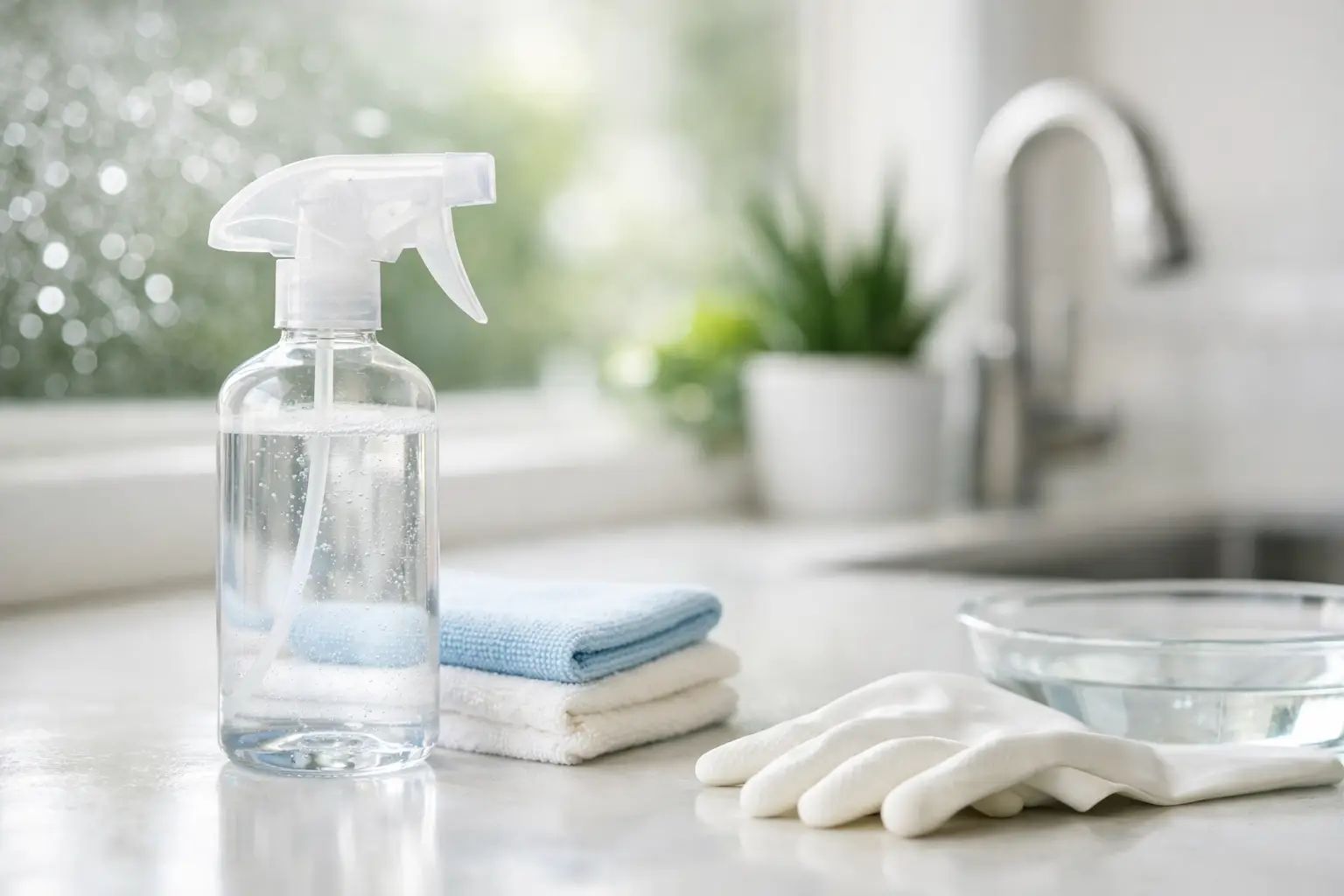
A hypochlorous acid cleaning solution changes the daily cleaning equation: instead of stocking shelves with harsh, single-purpose chemicals, you can create a powerful sanitation and odor-control solution from simple inputs. For homes, schools, medical offices, restaurants, farms, and facility teams, that means a safer approach to routine cleaning without the chemical fumes, complicated storage, or supply-chain uncertainty that conventional products can bring.
What Makes a Hypochlorous Acid Cleaning Solution Different?
Hypochlorous acid, commonly called HOCl, is a compound associated with the body’s natural immune response. When made at the proper concentration and pH, it can be used for cleaning, sanitizing, deodorizing, and pathogen control across a wide range of environments. It is effective at low concentrations while remaining far more approachable for day-to-day operations than many harsh chemical alternatives.
The real advantage is not just the chemistry. It is the ability to make the solution where it will be used. On-site generation turns water, salt, and a small amount of organic vinegar into pH-neutral HOCl, reducing the need to order, transport, store, and dispose of large volumes of conventional cleaners. The result is a practical system built around availability, cost control, and safer cleaning routines.
Why On-Site HOCl Production Matters
A ready-to-use bottle can be useful for immediate needs, but an on-site generator gives frequent users a stronger operational advantage. It produces fresh solution when needed, helping homes and facilities avoid the familiar problem of running low at the worst possible time. It also gives teams more control over how they prepare and deploy cleaning solution across rooms, shifts, and departments.
For a commercial operation, that control can add up quickly. A hotel may need dependable odor management for guest rooms and common areas. A restaurant may need a practical cleaning solution for food-adjacent surfaces, restrooms, and back-of-house spaces. A greenhouse may need consistent sanitation support without introducing unnecessarily harsh chemistry around people, plants, or equipment. One flexible solution can simplify these workflows when it is prepared and used according to label directions and site procedures.
Choosing the Right HOCl Concentration
Concentration matters because not every job needs the same treatment. A hypochlorous acid cleaning solution should be selected based on the surface, soil level, odor concern, contact time, and the outcome your operation needs.
200 ppm for everyday cleaning
A 200 ppm solution is well suited to frequent cleaning tasks, light surface care, and everyday deodorizing. It can be a practical choice for homes, offices, classrooms, and customer-facing spaces where teams want to clean often without filling the air with aggressive chemical odors. Routine use also helps prevent cleaning from becoming a once-a-week catch-up event.
500 ppm for heavier routine needs
A 500 ppm solution provides a stronger option for areas that see more traffic, more mess, or more persistent odor. Think restroom surfaces, break rooms, locker areas, trash handling zones, shared equipment, and busy retail spaces. The right workflow still matters: remove visible soil first when necessary, apply enough solution to wet the surface, and allow the stated contact time.
1,000 ppm for demanding environments
A 1,000 ppm solution may be appropriate for tougher cleaning and odor-control needs in commercial or agricultural settings. Facilities can use a higher-concentration option as part of a structured sanitation plan for problem areas, high-use equipment, or challenging organic buildup. More concentration is not automatically better, though. Using the right ppm for the job helps control costs and supports sensible, repeatable procedures.
Better Cleaning Starts With Better Application
Even an excellent solution needs a consistent process. For lightly soiled surfaces, spray or apply the solution evenly and allow it to remain wet for the appropriate contact time. For visible dirt, grease, or organic matter, clean away the buildup first so the HOCl solution can reach the surface effectively. A microfiber cloth, mop, foamer, or electrostatic applicator may be the best tool depending on the area.
Application equipment can make a noticeable difference at scale. A spray bottle works well for kitchens, bathrooms, desks, and small spaces. Larger facilities may benefit from dedicated dispensing equipment, fogging systems where appropriate, or applicators designed to cover broad areas efficiently. The goal is not to add complexity. It is to make dependable sanitation easier for the people doing the work.
Surface compatibility should always be considered. HOCl solutions are generally valued for being gentle compared with many conventional chemicals, but every material and finish is different. Test a small, inconspicuous area when working with specialty surfaces, electronics, untreated wood, or manufacturer-sensitive materials. Follow equipment guidance and established cleaning protocols.
The Cost and Supply Advantage
Conventional cleaning programs often create a hidden cost problem. Businesses pay not only for the chemical itself, but also for shipping, storage space, packaging waste, emergency orders, and the time employees spend tracking inventory. When a key product is unavailable, the entire routine can become harder to manage.
On-site generation offers a different model. With basic inputs and the right equipment, facilities can produce solution for pennies per batch rather than relying entirely on recurring shipments of packaged chemicals. That can be especially valuable for high-volume users such as schools, hospitality teams, healthcare-adjacent offices, food service operations, and cleaning service providers.
Microbe Ninja systems are designed around this practical advantage, with options ranging from compact home and small-business units to commercial-scale NinjaGen 360, 144, and 1440 systems. The aim is straightforward: give users reliable access to pH-neutral HOCl at 200, 500, and 1,000 ppm without building their operation around chemical deliveries.
Safety Does Not Mean Skipping Standards
HOCl supports a safety-first cleaning program, but responsible use still requires training and clear procedures. Employees should know which concentration to use, how to apply it, how long surfaces should remain wet, and when visible soil needs to be removed before treatment. Label instructions, local requirements, and site-specific protocols remain part of the job.
For regulated environments or situations requiring specific pathogen-control claims, verify the product use and documentation required for your application. No cleaning solution should be treated as a substitute for a complete hygiene plan that includes handwashing, proper waste handling, equipment maintenance, and routine staff education.
Freshness also matters with generated HOCl. Store solution in suitable containers, protect it from unnecessary heat and light, and prepare amounts that match your expected use. A disciplined rotation process helps teams get the consistent results they expect while minimizing waste.
A Practical Shift for Homes and Facilities
The best cleaning program is the one people can sustain. If a product is too harsh, too expensive, difficult to source, or unpleasant to use, it often gets used inconsistently. A hypochlorous acid cleaning solution offers a more workable path: powerful sanitation support, dependable odor control, and a lower-chemical routine that can scale from a kitchen counter to a multi-building facility.
Start by identifying the areas that consume the most cleaning products, create simple concentration and application standards, and make fresh solution part of the regular workflow. When cleaning becomes easier to maintain, a healthier, better-managed space becomes far more achievable.
Comments are closed