

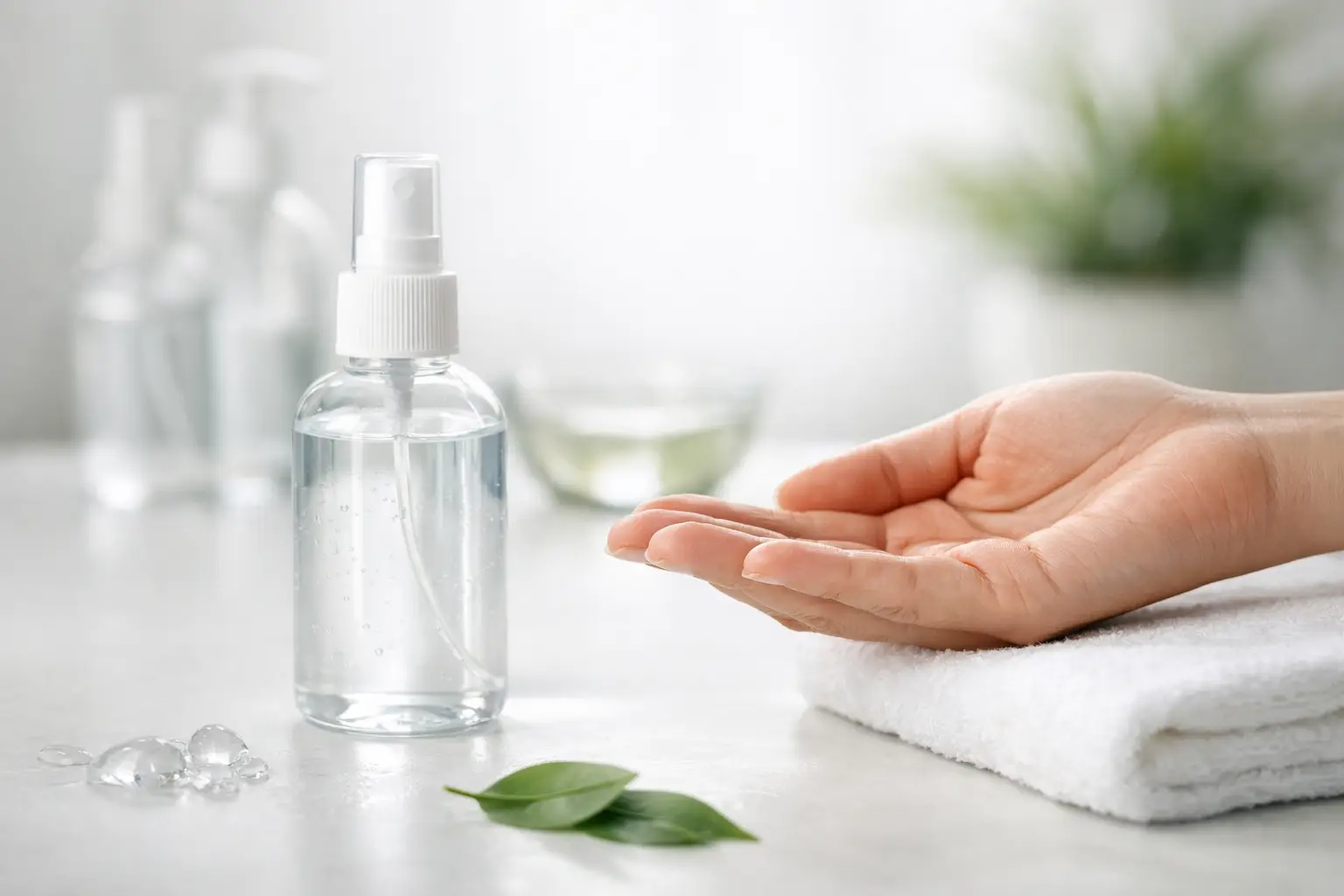
A hypochlorous acid hand sanitizer alternative sounds straightforward: replace a drying alcohol gel with a gentler spray. In practice, the right choice depends on the product’s intended use, its label directions, and whether you are solving a hand-hygiene need, a surface-cleaning need, or both. Hypochlorous acid, commonly called HOCl, can be a powerful part of a lower-chemical sanitation program, but it should not be treated as a one-size-fits-all substitute.
For homes, schools, restaurants, medical offices, and other active spaces, that distinction matters. The best sanitation routines make it easier for people to do the right thing consistently while reducing harsh odors, residue, waste, and recurring supply headaches.
What Makes HOCl Different From Alcohol Hand Products?
Most familiar hand sanitizer products rely on alcohol. They are convenient, fast-drying, and widely used when soap and water are not readily available. They can also leave hands feeling dry with frequent use, create flammability and storage concerns at scale, and add another consumable product to a facility’s purchasing list.
HOCl is a different chemistry. It is a chlorine-based compound that is also produced naturally by the human immune system as part of its response to microbes. When generated correctly, pH-neutral HOCl solutions can offer a low-odor, non-toxic approach to cleaning and odor control. The appeal is easy to understand for anyone tired of strong chemical fumes or cabinets full of single-purpose bottles.
Still, “hypochlorous acid” alone does not tell you what a product is designed to do. Concentration, pH, packaging, stability, directions for use, and regulatory status all affect appropriate use. A solution made for cleaning hard, nonporous surfaces is not automatically intended for application to hands.
A Hypochlorous Acid Hand Sanitizer Alternative Starts With the Label
The most responsible way to evaluate an HOCl product for hand hygiene is to read the label, not assume that gentle means hand-ready. If a product is specifically formulated, tested, and labeled for use on skin, follow those instructions exactly. If it is labeled for surfaces, use it on surfaces.
This is especially important for facility managers trying to simplify procurement. A single chemistry may support multiple tasks across an operation, but each product or generated solution must be used according to its intended application. That is not a limitation. It is how a sanitation program stays safe, consistent, and defensible.
When hands are visibly dirty or greasy, soap and running water remain the practical first choice. Hand products are useful when washing is unavailable or as part of a defined hygiene routine. For high-touch surfaces, a properly prepared HOCl solution may help teams clean frequently without filling the air with heavy fragrance or leaving behind sticky residue.
The trade-off is simple: alcohol-based hand products are familiar and portable, while an HOCl program can reduce reliance on harsh chemical cleaners and create a more flexible on-site supply for environmental cleaning. Many organizations benefit from using each tool where it belongs rather than forcing one product to handle every job.
Why On-Site HOCl Changes the Operational Equation
Ready-to-use bottles can be useful, but they still depend on manufacturing, shipping, storage, and reorder cycles. On-site generation changes that model. Instead of repeatedly buying bulky chemical products, a facility can produce fresh HOCl using water, salt, and a small amount of organic vinegar.
That approach is especially valuable where cleaning volume is high. Hotels turn rooms quickly. Restaurants manage dining areas, kitchens, restrooms, and entry points. Schools clean classrooms and shared equipment. Farms and growing facilities deal with odors and surfaces across large working areas. In each case, the challenge is not simply finding a cleaner. It is maintaining dependable access to enough solution for the work.
Microbe Ninja NinjaGen systems are built around that need. They generate pH-neutral HOCl solutions at 200, 500, and 1,000 ppm concentrations for cleaning, deodorizing, and pathogen-control applications, allowing users to match output to operational demands. Compact units fit home and small-business use, while larger NinjaGen 360, 144, and 1440 systems support commercial-scale production.
The cost advantage can be meaningful because the core inputs are simple and available. Producing solution on site can cost pennies per batch, helping organizations reduce both purchasing pressure and exposure to conventional supply-chain disruptions. It also means staff can refill dispensing applicators as part of a regular workflow instead of waiting for the next shipment.
Match the Solution to the Job
A successful HOCl program is built around clear use cases. The goal is not to spray everything with the same concentration or use one bottle without instructions. The goal is to give people a practical, safer-feeling system they can repeat every day.
For routine household cleaning, an on-demand HOCl solution can support kitchens, bathrooms, pet areas, trash bins, and frequently touched surfaces. Families often appreciate the low-odor experience, particularly in shared spaces where strong chemical scents linger.
In a small business, the same chemistry can support front counters, waiting rooms, restrooms, break areas, and odor-prone spaces. The biggest gain is often consistency. When staff have accessible applicators and a dependable refill source, routine cleaning is less likely to be delayed because a specialty bottle ran out.
Larger facilities need an even more deliberate approach. Create written procedures that specify where solution is used, which concentration is required, how it is dispensed, how long surfaces should remain wet when applicable, and how equipment is cleaned and maintained. Train teams to use prepared solutions according to their directions and to keep hand hygiene and surface care as separate procedures.
Questions to Ask Before Replacing Any Product
Before changing a hand or surface sanitation routine, ask what problem the existing product solves. Is it hand hygiene away from sinks? Is it frequent cleaning of high-touch surfaces? Is it odor control? Is it a purchasing problem caused by high costs and recurring orders?
Then look at the real-world constraints. A busy restaurant may need refillable applicators near work zones. A medical office may prioritize clear protocols and product documentation. A homeowner may value a compact generator that avoids storing multiple harsh cleaners. A service entrepreneur may need a scalable system that supports recurring client work without constantly sourcing heavy chemical inventory.
Also consider storage and freshness. HOCl is most useful when it is generated, stored, and applied under the conditions recommended for that solution. Clean containers, proper labeling, and disciplined handling are part of getting reliable results. Generating more than can be used within the recommended time frame can undermine the convenience you were trying to gain.
Build a More Practical Hygiene Routine
The strongest alternative is rarely a single bottle. It is a system: soap and water where washing is needed, properly labeled hand products where hand hygiene support is appropriate, and on-site HOCl for the cleaning and deodorizing tasks it is designed to handle.
That system gives homes and businesses a path away from harsh fumes, excessive packaging, and uncertain reorders without asking staff or families to guess how products should be used. Start with the spaces that consume the most cleaning solution, establish clear directions, and make refilling easy. When sanitation is practical enough to repeat, it becomes part of the operation instead of another item on the supply checklist.
Comments are closed