

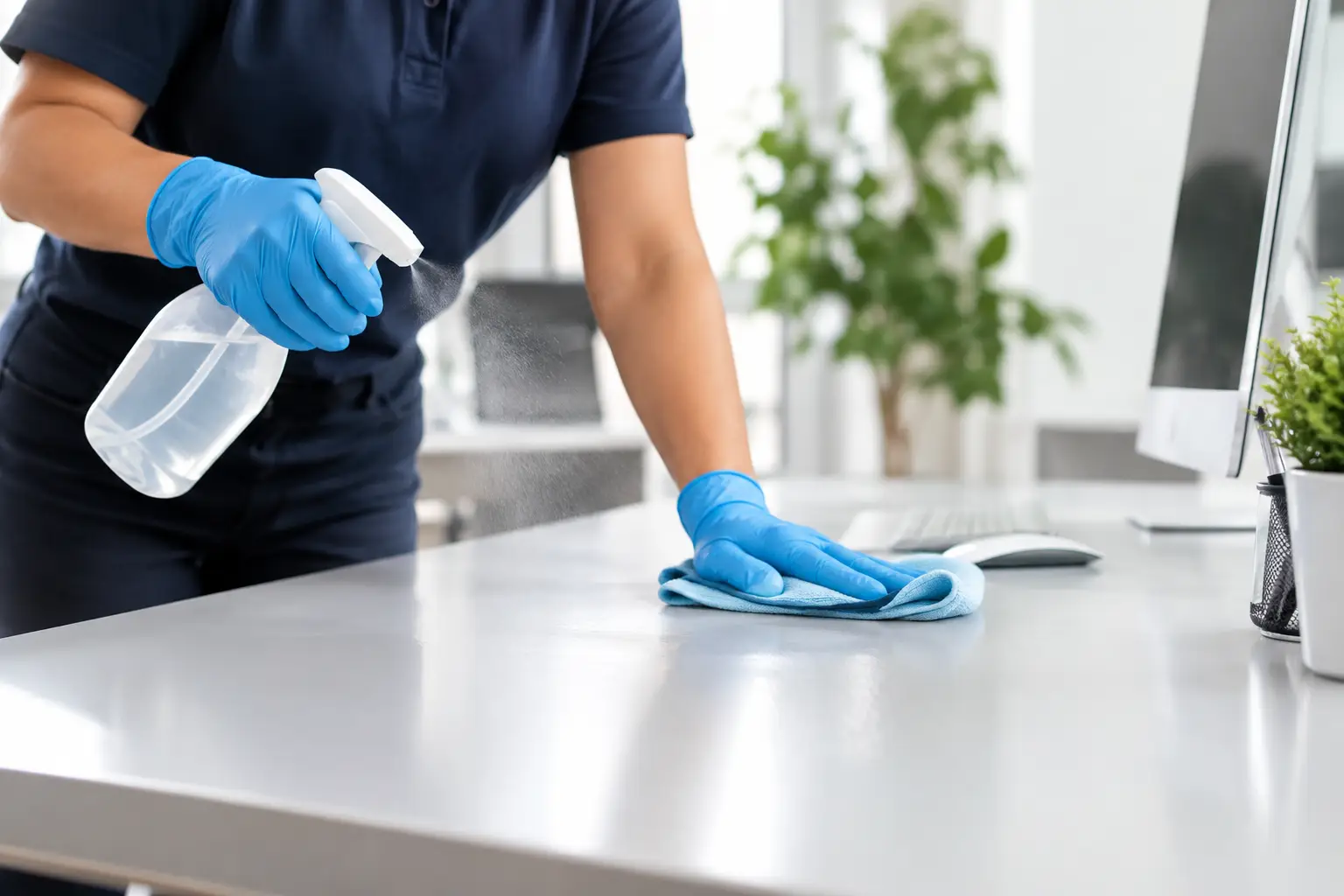
A cleaning program only works when people can use it without worrying that it will haze a countertop, corrode a fixture, or leave a sharp chemical smell behind. That is why the question of what surfaces tolerate HOCl cleaning matters in homes, facilities, food-service spaces, schools, medical offices, and agricultural operations.
Properly made hypochlorous acid, especially a pH-neutral solution, is valued because it delivers powerful cleaning and sanitation support without the harsh feel of many conventional chemical products. But “surface-friendly” does not mean every material should be treated the same way. Surface condition, solution concentration, contact time, and the presence of coatings all affect the right approach.
What surfaces tolerate HOCl cleaning most reliably?
HOCl cleaning is generally well suited to many common, hard, nonporous surfaces. These are the materials that make up the majority of high-touch and high-use areas in commercial and residential environments: sealed counters, tables, fixtures, doors, equipment exteriors, and washable floors.
Stainless steel and other finished metal surfaces
Stainless steel is a practical match for routine HOCl cleaning. Think commercial kitchen equipment, refrigerator handles, sinks, carts, elevator buttons, handrails, exam-room fixtures, and restroom partitions. A properly prepared pH-neutral HOCl solution can help clean away everyday residue and odors without relying on heavy fragrances or aggressive solvents.
The key word is finished. Metals that are damaged, scratched, poorly maintained, or exposed to standing liquid need more care. Wipe away excess solution rather than allowing it to pool in seams, hinges, welds, or around fasteners. Aluminum, brass, copper, and other softer or reactive metals deserve a small test spot first, particularly when the surface is bare, aged, or decorative.
Glass, mirrors, and glazed ceramic
Glass, mirrors, glazed tile, porcelain, and ceramic are among the easiest surfaces to maintain with HOCl cleaning. These materials are nonporous when their finish is intact, making them a natural fit for bathroom fixtures, shower walls, windows, display cases, tabletops, and tiled walls.
For a clear result on glass or mirrors, apply lightly and wipe with a clean microfiber cloth. The goal is not to soak the surface. A controlled spray-and-wipe process prevents streaking while reducing waste.
Sealed stone, laminate, and solid-surface counters
Most sealed granite, quartz, laminate, Corian-style solid surfaces, and other manufactured countertops can tolerate routine HOCl cleaning. These surfaces are common in break rooms, kitchens, reception areas, classrooms, hotel rooms, and homes, where people want a safer everyday cleaner that does not leave a heavy chemical residue.
Stone is where the word “sealed” matters. A high-quality seal helps prevent absorption and makes cleaning easier. If natural stone is unsealed, worn, or visibly porous, test a hidden area before broad application. Follow the surface manufacturer’s care guidance when it is available, especially for premium counters, polished stone, or specialty finishes.
Plastics, vinyl, rubber, and coated surfaces
HOCl is often a useful option for durable plastic and vinyl surfaces, including chairs, bins, appliance exteriors, light switches, toys, storage containers, vinyl flooring, and many restroom components. It can also support odor control in spaces where harsh-smelling cleaners are a poor fit.
Still, plastics vary widely. Clear acrylic, polycarbonate, soft-touch coatings, printed labels, and aged plastic can react differently than standard molded plastic. When appearance matters, test first. Spray the cloth instead of the item when cleaning electronics housings, control panels, or surfaces with openings.
Sealed floors and washable walls
Finished concrete, sealed wood-look flooring, vinyl composition tile, ceramic tile, epoxy floors, and many washable painted walls can be cleaned with HOCl as part of a regular maintenance routine. For facilities managing large square footage, on-site generation can make this approach especially practical. Instead of ordering, storing, and replacing multiple harsh cleaning products, teams can produce fresh solution as needed.
Microbe Ninja systems produce pH-neutral HOCl solutions at 200, 500, and 1,000 ppm, allowing operators to match their process to the environment and task. More concentration is not automatically better for every surface. Daily touchpoint care may call for a lighter approach than heavy-duty odor-control work in a dumpster room, locker area, animal facility, or production space.
Surfaces that need extra caution
The best cleaning choice is always the one that protects both the people in the space and the materials that keep the operation running. HOCl is versatile, but certain surfaces need a test area, a gentler application method, or an alternative process.
Unsealed wood and unfinished natural materials
Unsealed wood, unfinished furniture, cork, leather, and natural fiber materials can absorb moisture. That absorption may lead to discoloration, swelling, texture changes, or a weakened finish over time. Rather than spraying these surfaces directly, use a barely damp cloth after testing an inconspicuous area.
The same caution applies to unfinished concrete, unsealed grout, untreated stone, and raw masonry. These materials can hold moisture and soil below the surface, which changes how cleaning solutions perform. A professional surface assessment may be worthwhile in high-value commercial spaces.
Delicate metals and specialty coatings
Bare aluminum, copper, brass, silver, and decorative metal finishes should not be treated as interchangeable with stainless steel. Their finish may dull or change, particularly with repeated exposure or long dwell times. Test a small hidden section, avoid saturation, and wipe dry.
Be just as careful with specialty coatings. Matte paint, waxed finishes, anti-glare coatings, powder-coated surfaces, and touch-screen treatments may have manufacturer-specific care requirements. A surface may look durable while its top coating is surprisingly sensitive.
Electronics and powered equipment
HOCl solution should never be poured into equipment, sprayed into vents, or applied to a live electrical surface. For keyboards, phones, tablets, point-of-sale devices, medical equipment exteriors, control panels, and appliance controls, power down when appropriate and apply solution to a microfiber cloth first.
The cloth should be damp, not dripping. This approach gives teams the benefit of a low-odor cleaning process while reducing the risk of moisture entering seams, ports, or screens.
How concentration and application affect surface compatibility
Surface compatibility is not just about the material. It is also about how the solution is made, stored, and used. A pH-neutral HOCl solution behaves differently than a poorly balanced product or a mixture that has degraded in storage.
Fresh solution, clean dispensing equipment, and appropriate storage help maintain dependable performance. On-site generation gives facilities a major operational advantage here: produce the amount needed, use it within the recommended handling window, and avoid stockpiling large volumes of harsh chemistry.
Application method matters as much as ppm. Misting a microfiber cloth for a workstation is different from applying solution through a foamer or sprayer to a large restroom floor. Use enough product to cover the target surface, allow the appropriate contact time for your process, then wipe away excess where pooling could occur.
Before applying HOCl to a visibly dirty surface, remove heavy grease, food debris, mineral buildup, or soil. Cleaning works best when the solution can reach the actual surface rather than sitting on top of grime. In commercial settings, this distinction improves consistency and helps staff avoid using more product than the job requires.
A practical surface-testing routine
When a surface is unfamiliar, expensive, or visibly aged, a quick compatibility test is the smart move. Apply a small amount of solution to a hidden area using the same concentration and method planned for routine cleaning. Let it dry fully, then inspect for color change, clouding, softness, streaks, or loss of gloss.
If the test area looks normal, proceed with a controlled application. If there is any change, stop and consult the surface manufacturer or use a different cleaning method. This simple habit is especially useful for facility managers overseeing mixed materials across guest rooms, classrooms, food-service areas, farms, offices, and retail spaces.
Build a safer routine, not a bigger chemical closet
The strongest case for HOCl cleaning is practical: one modern, low-odor solution can support daily sanitation across many of the surfaces people touch most. It can reduce dependence on harsh chemical products, simplify staff training, and help businesses generate cleaning solution on demand for pennies per batch.
Treat each surface according to its finish, not just its category. Start with clean, intact, nonporous materials; test delicate or unsealed surfaces; and use controlled application instead of overspray. That is how HOCl becomes more than another bottle on the cart – it becomes a dependable part of a safer, more sustainable cleaning routine.
Comments are closed