

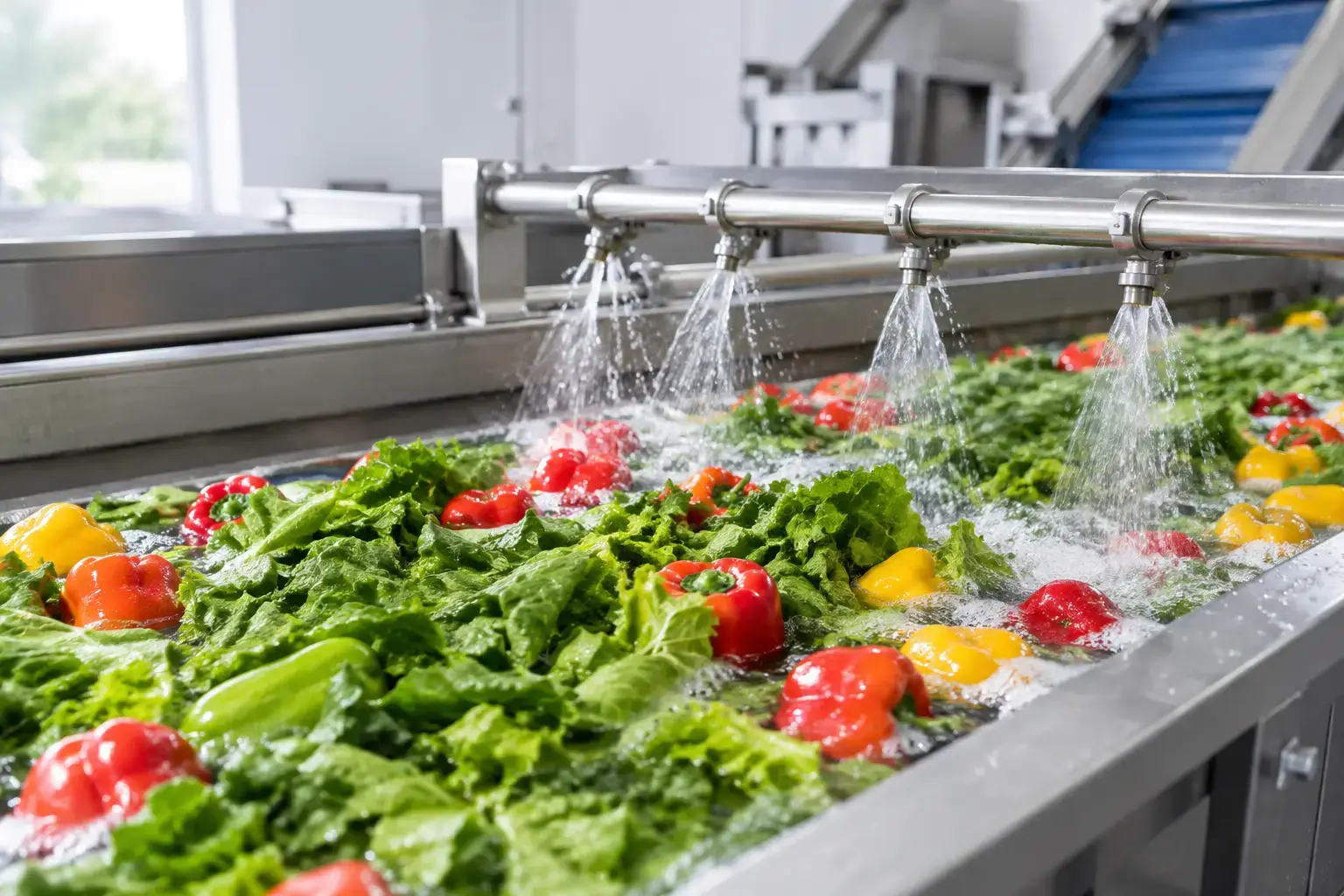
A case of leafy greens can pass through more hands, bins, sinks, and surfaces in one shift than most teams realize. That is why produce washing systems deserve more attention than a quick rinse at the prep sink. A well-designed system helps create a more consistent process for removing field debris, managing wash water, and supporting cleaner handling from receiving to the sales floor or service line.
For farms, grocery departments, restaurants, commissaries, and foodservice operations, the goal is practical: protect quality, reduce unnecessary chemical exposure, and give employees a process they can repeat correctly under pressure. The right approach is not simply buying a machine. It is building a wash workflow that fits the produce, the volume, the facility, and the people using it.
What Produce Washing Systems Need to Do
Produce washing systems range from simple three-bay sink setups to conveyorized flumes, bubble washers, spray bars, centrifugal dryers, and automated packing lines. Their designs differ, but the operating principles are the same. The system must move soil and debris away from the product, limit opportunities for cross-contact in wash water, and keep the process manageable for the team.
Water alone has limits. It can rinse away visible dirt, but wash water can also become a transfer point when it is not refreshed, monitored, or properly managed. That does not mean every operation needs a large industrial line. A small farm washing herbs has very different needs from a produce distributor processing pallets of melons. It does mean that each operation needs a deliberate plan for water quality, contact time, drainage, equipment cleaning, and employee handling.
A dependable system also protects the produce itself. Fragile berries, tender greens, root vegetables, and firm apples cannot all be treated the same way. Too much agitation can bruise delicate items. Too little movement can leave soil trapped in crevices. The best setup balances cleaning action with the physical reality of the crop.
Start With the Produce and the Process
Before choosing equipment or a wash solution, map the product flow. Where does produce arrive? Is it trimmed before washing? Does it move into clean totes afterward? Where are employees most likely to touch it? Are washed and unwashed items ever placed on the same table, cart, or scale?
These details matter because washing is only one step. If clean product returns to a dirty container or travels across an unclean conveyor, the value of the wash step drops quickly. Separate zones for incoming and washed produce make the process easier to understand and easier to enforce. Clear tote colors, labeled tools, and dedicated staging areas can prevent common mix-ups without adding complexity.
For lower-volume operations, a structured sink process may be the right fit. For higher-volume operations, a flume or conveyor can improve consistency and labor efficiency. Equipment should solve a real bottleneck, not create a costly system that is difficult to clean, maintain, or train around.
Know When Agitation Helps
Agitation can be useful for leafy greens, broccoli, herbs, and other produce with tight surfaces where soil can collect. Air bubbles or gentle water movement can help loosen debris without excessive handling. Firm produce may tolerate stronger spray action, while soft fruit often requires a more delicate approach.
The trade-off is simple: greater mechanical action may improve soil removal, but it can also increase damage if settings are too aggressive. Test the process on your actual product, not just a demonstration sample. Track yield, appearance, shelf life, and labor time alongside cleaning performance.
Why Wash Water Management Is the Center of the System
The most advanced equipment cannot compensate for poorly managed water. Water temperature, turbidity, turnover, drainage, and the condition of tanks and spray nozzles all influence the result. When water becomes visibly loaded with soil and plant material, it needs attention. Organic load can reduce the effectiveness of wash chemistry and make every subsequent batch harder to manage.
A sound program sets clear replacement or refresh triggers. Those triggers may be based on time, production volume, visible soil, or internal testing procedures. The right trigger depends on the crop and the system. A root vegetable operation may need more frequent water management than a facility handling pre-cleaned greenhouse lettuce.
Employees also need simple instructions they can follow during a busy shift. If the process requires judgment calls, define them. Specify who checks the water, what gets recorded, when the tank is drained, and who cleans the system before the next run. Consistency is a food safety advantage.
On-Site HOCl Brings More Control to the Workflow
Hypochlorous acid, or HOCl, offers a practical option for operations seeking a powerful, safer alternative to harsh conventional cleaners in produce-handling areas. HOCl is the same type of antimicrobial molecule produced naturally by the human immune system. When made and used correctly, it can support sanitation routines for wash equipment, food-contact surfaces, bins, drains, prep areas, and surrounding work zones.
For produce operations, the appeal is operational as much as chemical. On-site generation can convert water, salt, and a small amount of organic vinegar into pH-neutral HOCl solution on demand. That reduces dependence on shipped chemical inventory, bulky storage, and last-minute supply disruptions. It also gives teams a repeatable way to prepare the solution strengths they need for their facility procedures.
Microbe Ninja NinjaGen systems produce HOCl at 200, 500, and 1,000 ppm concentrations, giving operators options for daily cleaning, deodorizing, and pathogen-control workflows. The appropriate concentration, application method, and contact time depend on the intended use and the operation’s written procedures. Produce processors should always align their practices with applicable food safety requirements, customer specifications, and process validation needs.
HOCl is not a shortcut around good wash design. It works best as part of a complete program that includes clean equipment, controlled water, proper drainage, employee hygiene, and documented routines. That is the difference between adding another product to the closet and building a system people can rely on.
Build a Cleaner Process Beyond the Wash Tank
The wash tank gets attention because it is visible. The surrounding environment often creates the larger challenge. Dump tanks, conveyor belts, brushes, drying racks, harvest bins, knives, scales, packaging tables, and floor drains all need a planned cleaning schedule. If those surfaces are treated as afterthoughts, they can undermine the care taken during washing.
Start each shift with clean tools and equipment. During production, remove plant matter before it accumulates in hard-to-clean areas. At the end of the shift, clean away soil and residue first, then apply the appropriate sanitation step according to your established procedure. Cleaning and sanitation are connected, but they are not the same task. A solution performs more predictably on a surface that is already free of visible debris.
Dispensing applicators can make this work faster and more consistent. Instead of relying on employees to mix products manually, a ready-to-use on-site solution can be applied through labeled bottles, sprayers, or larger delivery equipment. That reduces mixing errors and makes it easier to standardize the routine across shifts and locations.
Train for the Real Shift, Not the Perfect One
A produce wash procedure should be clear enough for a new employee to perform correctly on their first busy day. Long binders rarely solve the problem by themselves. Visual instructions at the wash station, straightforward logs, and short hands-on training usually do more.
Focus training on the decisions that matter: where unwashed product belongs, when water needs to be changed, which tools are dedicated to clean areas, how to prepare and verify solutions, and what to do when something goes wrong. Make it easy for employees to report a problem without slowing down the entire operation.
Verification matters too. Supervisors can check logs, inspect equipment before startup, observe handling practices, and review whether the actual process matches the written one. A process that looks good on paper but is too complicated for the team needs to be simplified.
Choose a System That Can Grow With You
The best produce washing systems are not necessarily the largest. They are the systems your operation can maintain, clean, train on, and scale without losing control. A small grower may benefit from organized wash stations and compact on-site HOCl generation. A regional distributor or packing operation may need larger equipment, automated application, and more formal monitoring.
Look closely at daily volume, available floor space, water access, drainage, labor, crop mix, and cleaning time between runs. Also consider the cost of consumables. Systems that depend on frequent deliveries of specialized chemicals may appear simple at first, then become expensive or difficult to sustain. On-site generation can help put more control back in the facility while reducing recurring supply dependence.
The strongest next step is often a practical one: walk your product path from receiving through final packing or display, and notice every place clean produce can meet dirty water, equipment, hands, or containers. That walkthrough will tell you more about the right washing system than a catalog ever could.
Comments are closed