

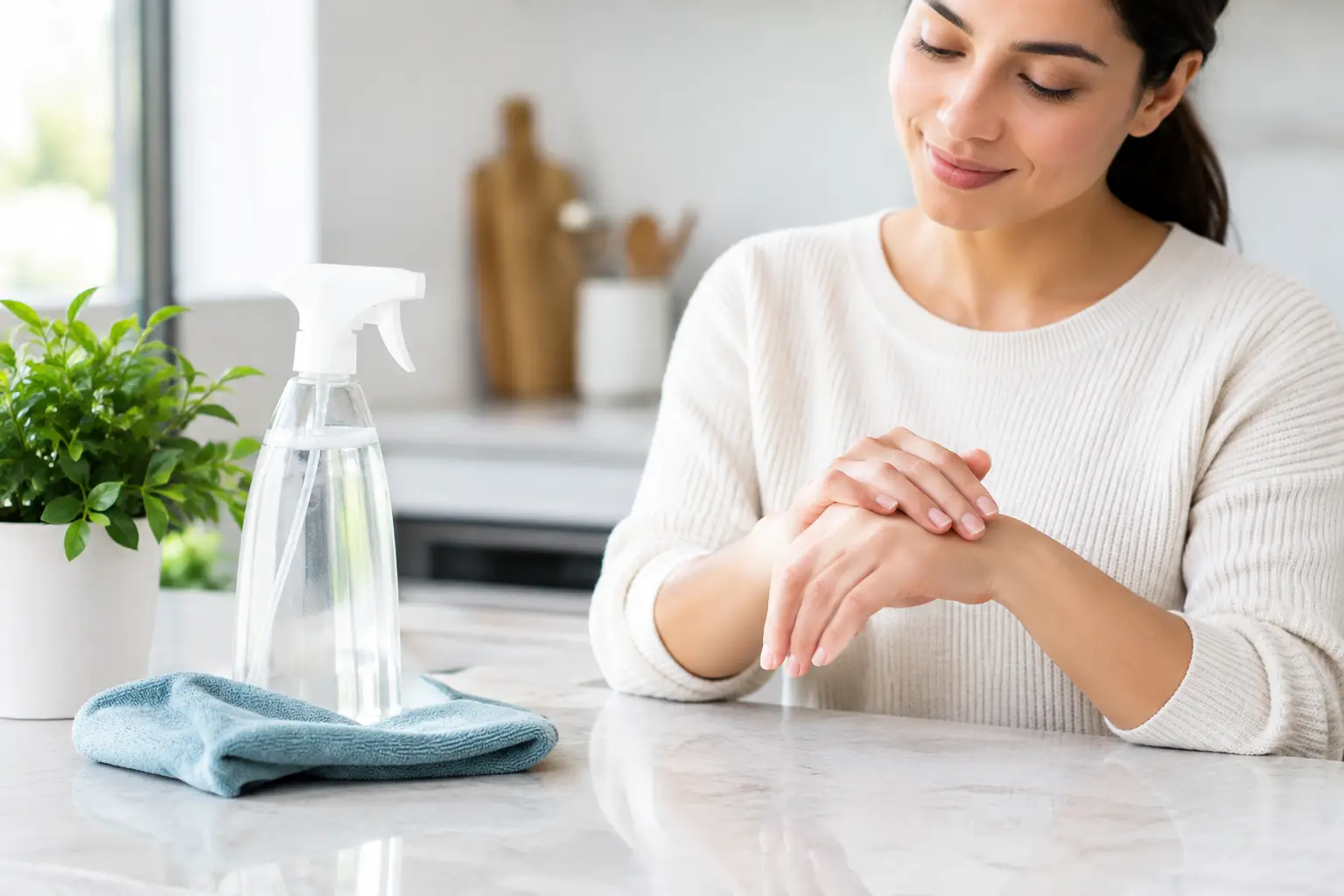
A cleaning spray can be gentle enough to use around kids, pets, food-contact areas, and sensitive surfaces without being a product meant to moisturize your hands. That distinction answers the question, are electrolyzed cleaners skin safe? Often, properly made hypochlorous acid solutions are far less irritating than many conventional cleaners, but skin safety still depends on the formula, concentration, pH, and how the product is used.
For homes and facilities trying to move away from harsh fumes, corrosive residues, and complicated chemical inventories, electrolyzed cleaning solutions can be a practical shift. The key is to treat them as purpose-built sanitation tools, not assume that every bottle made through electrolysis is identical.
What makes an electrolyzed cleaner different?
Electrolyzed cleaners are made by sending an electrical current through a carefully controlled mixture of water, salt, and sometimes an acidifier. The process can create hypochlorous acid, commonly called HOCl, a compound that is also produced by the human immune system as part of its natural response to microbes.
That biological connection is one reason HOCl has gained attention in cleaning, odor control, food-service, healthcare, and residential environments. But “electrolyzed” is a production method, not a complete safety guarantee. Electrolysis can produce solutions with very different chemistry depending on the ingredients, equipment settings, salt level, pH, and available chlorine concentration.
A well-controlled, pH-neutral HOCl solution behaves very differently from a high-pH bleach solution or a strongly acidic electrolyzed solution. Those differences matter on countertops and floors. They matter even more when skin exposure is possible.
Are electrolyzed cleaners skin safe at working strength?
For incidental contact, many properly formulated, pH-neutral HOCl cleaning solutions are considered low-irritation compared with conventional products such as bleach, quaternary ammonium compounds, or strong degreasers. They typically do not rely on heavy fragrances, harsh solvents, or caustic ingredients to get the job done.
Still, “low irritation” does not mean “use it without thought.” A cleaner should be evaluated according to its label and intended application. A solution designed for spraying hard surfaces at 500 or 1,000 ppm may be appropriate for that sanitation task but not necessarily intended as a hand or skin product. Stronger concentration is not automatically better for every job, and it is not automatically gentler simply because it is HOCl.
The safest practical rule is simple: use the concentration and applicator matched to the task. If a product is labeled for surfaces, use it on surfaces. If it is specifically formulated and labeled for direct skin use, follow those directions. This protects people while helping facilities avoid wasted solution and inconsistent cleaning results.
pH changes the skin experience
Healthy skin has a mildly acidic protective barrier. Products that are strongly alkaline or strongly acidic can strip oils, disrupt that barrier, and cause dryness, stinging, or irritation with repeat exposure.
pH-neutral HOCl is valuable because it can offer effective cleaning and odor-control performance without the high alkalinity associated with many harsh cleaners. That is especially relevant for employees who clean often, from hospitality teams and school custodians to restaurant staff and healthcare support personnel.
However, the pH needs to be controlled, not guessed. Homemade recipes, improperly calibrated equipment, incorrect inputs, and poorly stored solutions can produce inconsistent results. On-site generation offers real supply and cost advantages, but it also requires a repeatable process that delivers the intended concentration and pH batch after batch.
Concentration matters too
HOCl is commonly discussed in parts per million, or ppm. A lower ppm solution may be suitable for routine odor control or lighter cleaning applications, while higher concentrations can be selected for tougher sanitation needs on hard, nonporous surfaces.
Microbe Ninja systems produce pH-neutral HOCl at 200, 500, and 1,000 ppm, allowing users to align output with the work at hand instead of relying on one aggressive chemical for every area. That flexibility is useful, but it does not replace safe-use procedures. Direct, repeated skin exposure should always follow the specific product instructions, particularly at higher working concentrations.
When skin irritation is more likely
Even a thoughtfully made electrolyzed cleaner can bother skin under certain conditions. People with eczema, contact dermatitis, cracked hands, open cuts, or known chemical sensitivities may react differently than people with intact skin. Frequent wet work also adds up. A worker whose hands are washed, sprayed, and dried dozens of times per shift may experience irritation from moisture and friction even when the cleaning chemistry is comparatively mild.
Irritation is also more likely when a solution is outside its intended pH range, mixed with another product, or used in a poorly ventilated manner. Never combine electrolyzed cleaning solutions with bleach, ammonia, acids, or other cleaners. Mixing products can create unpredictable chemistry and unnecessary exposure risks.
Eye exposure deserves separate attention. A product that feels mild on intact skin can still sting or irritate the eyes. Keep sprays pointed away from the face, use a controlled spray pattern, and rinse promptly with clean water if accidental eye contact occurs. Seek medical guidance for persistent symptoms, burns, or a significant exposure.
Better practices for homes and facilities
The appeal of on-site HOCl generation is clear: water, salt, a small amount of organic vinegar in applicable systems, and electricity can replace a recurring stream of single-use chemical containers. For facilities, that can reduce storage demands, lower per-batch costs, and provide more dependable access to cleaning and deodorizing solution.
But the safest program is not just about the generator. It is about consistent operating habits. Train staff on which concentration belongs in each bottle, what surfaces it is intended for, how long it should remain wet when directions call for contact time, and when gloves are still appropriate. Gloves may be useful for prolonged cleaning, heavily soiled work, or employees with sensitive skin, even with a gentler solution.
Storage also matters. Use clean, compatible bottles, label them clearly, and protect prepared solution from conditions that may reduce stability. Do not transfer a cleaner into an unlabeled beverage bottle or reuse containers that once held incompatible chemicals. Clear labeling helps prevent accidental misuse and makes a safer sanitation routine easier to maintain across shifts.
How to assess a product before using it regularly
Do not rely only on broad claims such as “natural,” “non-toxic,” or “chemical-free.” Water and salt are ingredients, but the final solution is still an active cleaning chemistry. Ask practical questions: What is the intended use? What is the stated ppm? Is the pH controlled? What directions are provided for dilution, storage, and personal protective equipment? Is direct skin use specifically addressed?
For a commercial operation, request documentation and establish a standard operating procedure before rolling a new cleaner across the facility. For a household, start with the directions on the product label and pay attention to how your skin responds during normal use. Stop using a product that causes persistent redness, burning, itching, or dryness.
Can electrolyzed cleaners replace hand soap?
No. Cleaning hands with soap and water remains the right approach when hands are visibly dirty or greasy. A surface cleaner should not be repurposed as personal hygiene product unless its instructions clearly say it is intended for direct skin application.
Are they safer than bleach?
For many routine applications, pH-neutral HOCl solutions can offer a lower-odor, less harsh alternative to bleach-based cleaning. Yet “safer” is not absolute. Bleach, HOCl, and every other cleaning chemistry should be selected by task, concentration, instructions, and exposure risk.
Do sensitive-skin users need gloves?
They may. Gloves are a sensible extra layer for people with eczema, broken skin, known sensitivities, or long cleaning shifts. They are also useful when handling grime that may contain oils, allergens, or other material you do not want on your skin.
The goal is not to choose between cleaning power and human safety. It is to use a well-made, properly controlled solution for the job it was designed to do. When electrolyzed HOCl cleaners are produced consistently, labeled clearly, and used as directed, they give homes and organizations a strong path toward effective sanitation with less dependence on harsh conventional chemicals.
Comments are closed