

Fresh hypochlorous acid is one of the most practical sanitation tools available: it can be made from simple inputs, used across everyday cleaning and odor-control tasks, and produced where you need it. But how long does HOCl last after it is generated? The honest answer is not a single date on a calendar. Its useful life depends on concentration, pH, temperature, light exposure, container quality, and how carefully it is handled.
For homes and facilities that rely on HOCl every day, that is not a drawback. It is a reason to move away from buying large quantities of harsh, supply-dependent chemicals and toward making the amount needed on demand. Freshness is a performance advantage when your system makes it easy.
How Long Does HOCl Last in Storage?
HOCl is an active, reactive molecule. Over time, its available active concentration naturally declines. A properly generated and properly stored solution can remain useful for a meaningful period, but it will not stay at its original ppm indefinitely.
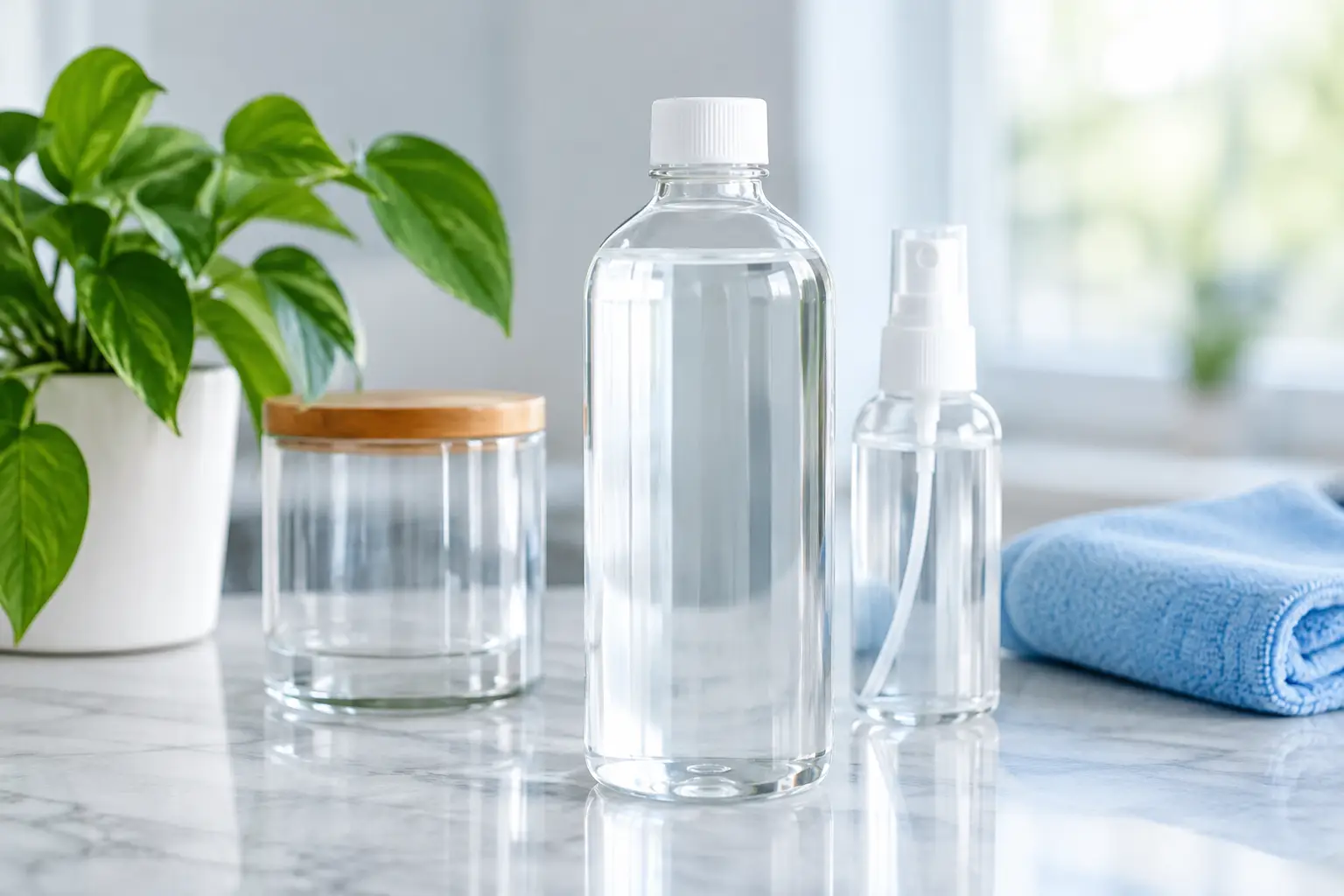
The best way to think about shelf life is as a range governed by conditions, not a promise that every bottle will perform identically on a particular day. A solution kept in a compatible, closed, opaque container in a cool area will generally hold its concentration much better than one left in a clear spray bottle near a sunny window or hot equipment room.
The starting concentration matters, too. A 200 ppm solution, a 500 ppm solution, and a 1,000 ppm solution are made for different sanitation and cleaning needs. Each should be stored according to the equipment and process guidance used to create it. Do not assume that a stronger starting solution automatically makes up for poor storage practices. Heat, light, contamination, and an unstable pH can still reduce performance quickly.
For operations that need dependable results, testing is more useful than guessing. Compatible concentration test strips or other approved verification methods can show whether a stored batch remains within the range your process requires.
What Causes HOCl to Lose Strength?
Several common conditions shorten the useful life of hypochlorous acid. Light is a major factor, especially direct sunlight and prolonged exposure to bright indoor light. Heat also accelerates degradation, which makes hot vehicles, boiler rooms, loading areas, and windowsills poor places for storage.
Air exposure can matter as well. Leaving caps loose, storing solution in an open bucket, or repeatedly opening a large container introduces unnecessary variables. Every transfer from one vessel to another also creates an opportunity for contamination or concentration loss.
Container choice is equally important. Use clean, compatible containers intended for the solution and avoid reusing bottles that previously held other cleaning chemicals. Residue from soaps, fragrances, degreasers, acids, or alkaline products can alter solution chemistry. Mixing HOCl with other cleaners is not a shortcut. It can reduce the solution’s useful activity and create an unpredictable result.
Water quality and generation consistency also affect stability. An on-site system that uses the correct water, salt, and organic vinegar inputs in the correct proportions is designed to produce a more controlled result than improvised mixing. Microbe Ninja NinjaGen systems produce pH-neutral HOCl at 200, 500, and 1,000 ppm so users can make the appropriate solution for the job rather than store a one-size-fits-all chemical inventory.
Store HOCl Like a Fresh, Active Solution
Good storage is straightforward, but it needs to be part of the routine. Keep solution in a clean, closed, compatible container and store it away from sunlight and heat. An opaque or light-protective container is preferable to a clear bottle when solution will be stored rather than used promptly.
Label every container with the generation date, intended ppm, and intended use. This is especially valuable in schools, hospitality properties, medical offices, food-service environments, and cleaning service operations where several team members may refill applicators or rotate stock. A clear label turns freshness from a memory test into a repeatable process.
Use a first-made, first-used rotation. Make smaller batches more often when demand is uncertain, rather than filling every bottle and closet with excess solution. On-site generation makes this practical. A facility can generate what it needs for a shift, a day, or a planned service route, then make another fresh batch when required.
Avoid leaving filled trigger sprayers in direct sun or inside a hot vehicle between jobs. For mobile cleaning and deodorizing teams, this small operational change can protect both solution quality and the value of every batch.
Keep bottles clean before refilling
Refilling is efficient only when the applicator is clean and compatible. Empty old solution before refilling when your operating procedure calls for it, clean the bottle appropriately, and avoid topping off a partially used bottle of unknown age. If a sprayer is clogged, damaged, or has held a different chemical, replace it or follow a controlled cleaning process before putting it back into HOCl service.
This matters because a bottle is part of the sanitation system. A reliable generator cannot compensate for careless storage or contaminated applicators downstream.
Test When Consistency Matters
A homeowner may reasonably make a fresh batch and use it promptly for routine cleaning and deodorizing. A commercial operation has a different responsibility. If an SOP, customer requirement, internal quality program, or specific application calls for a certain ppm range, verify the solution rather than relying only on its age or appearance.
HOCl can look clear even after concentration has declined. Smell and appearance are not dependable substitutes for measurement. Use a testing method that is appropriate for the concentration range and follow the instructions carefully. Record results when documentation is part of your program.
Verification is particularly valuable for larger facilities, multi-site operations, and service entrepreneurs. It helps standardize employee training, supports consistent delivery, and identifies storage problems before they affect a job. If a batch does not test within the needed range, generate a new one instead of trying to compensate with unmeasured adjustments.
Why On-Site Generation Changes the Shelf-Life Question
The conventional chemical model asks organizations to predict months of demand, order pallets, receive shipments, find storage space, and hope products remain available when needed. With HOCl generation, the question shifts from How much should we store? to How much do we need now?
That shift reduces waste and gives teams more control. A home can make a practical amount for weekly cleaning. A restaurant can generate solution for daily back-of-house sanitation. A hotel, school, greenhouse, or cleaning business can establish batch schedules tied to its actual workflow. Rather than treating shelf life as a limitation, these operations use freshness as part of their quality standard.
There is still a trade-off. Generating smaller, fresher batches requires a defined process and basic staff discipline. But the process is far easier to manage when the equipment is simple, the ingredients are readily available, and every batch can be labeled and checked.
Common Storage Mistakes to Avoid
The most frequent mistake is treating HOCl like a conventional cleaner that can sit indefinitely in any closet or vehicle. It should be managed as an active solution. Avoid direct light, high heat, open containers, unmarked bottles, and contact with residue from other products.
Another mistake is generating more than the operation can use within its own freshness and testing window. Bigger batches are not always more efficient. The most cost-effective batch is one that delivers the required performance without becoming forgotten inventory.
Finally, do not confuse a solution’s original ppm with its current ppm. The concentration at generation is the starting point. Storage conditions determine what remains available later.
Fresh HOCl is simple to protect: make it well, store it thoughtfully, label it clearly, and verify it when the job demands precision. When sanitation is produced on site, your team is not waiting on a shipment or working around a stale chemical stockroom. It can make exactly what it needs and put it to work while it is at its best.
Comments are closed